Sewerage Overload
Zhob Division faces a far worse sewerage crisis than Quetta Division.
Sewerage Disposal Plants:
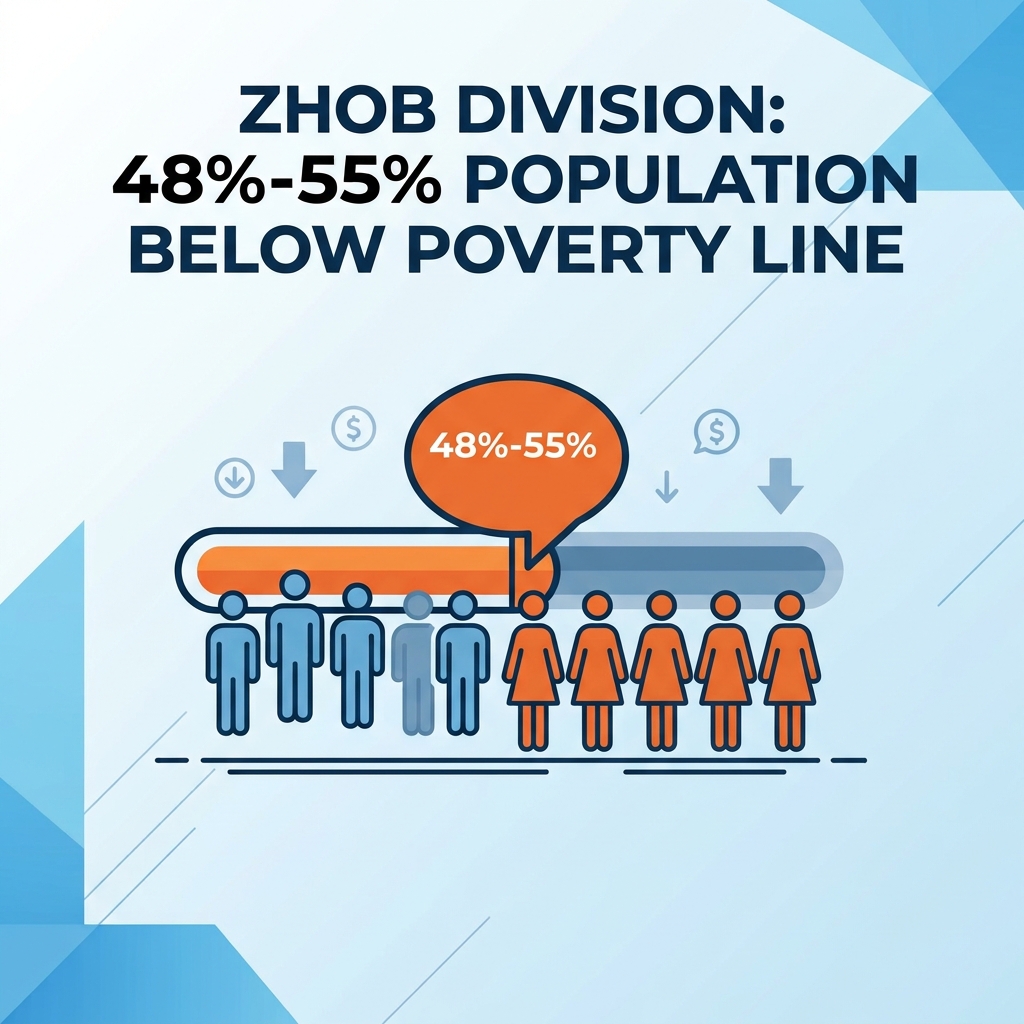
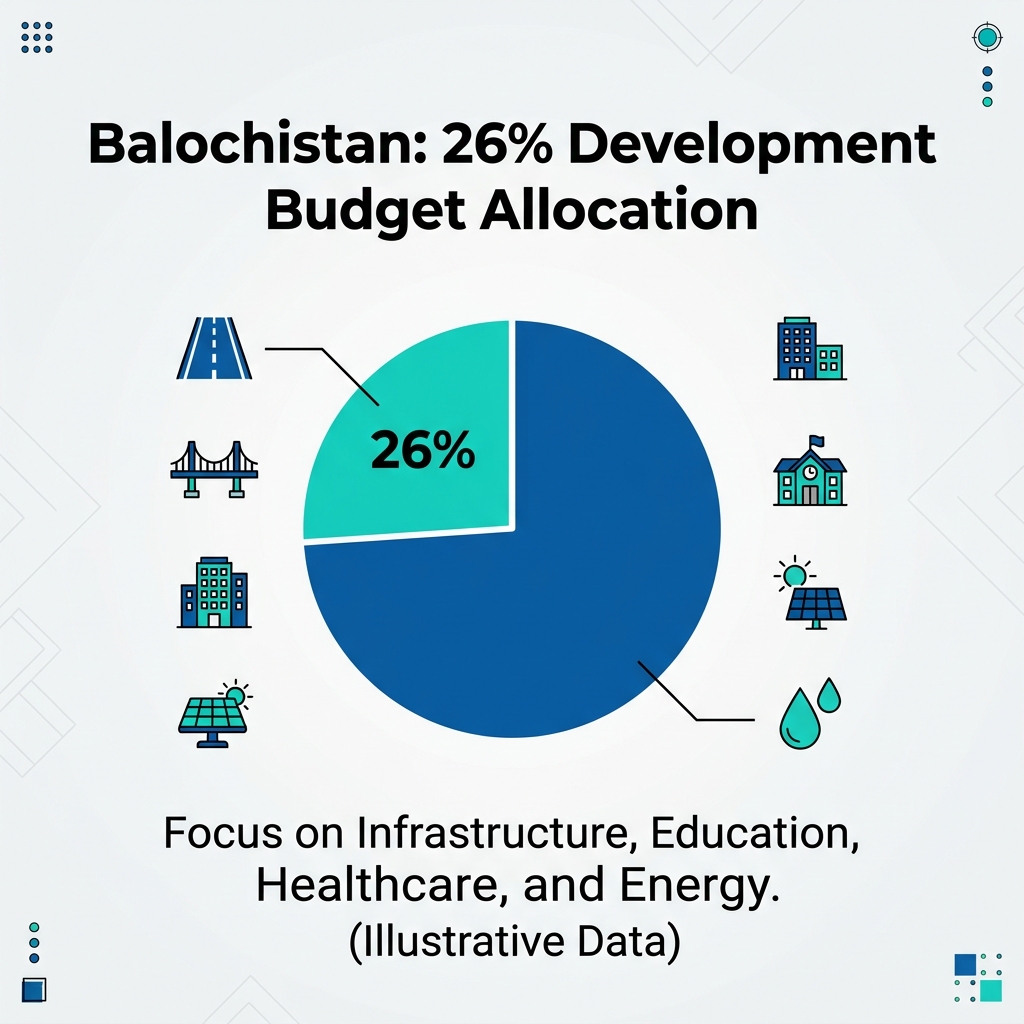
Zhob Division, with a population of 2.04 million and an area of 9,447 km², is larger than many sovereign territories in population and land area. Despite its status as a key agricultural region, it faces deep-rooted poverty, infrastructural decay, and chronic neglect, receiving an inequitable share of provincial development funding. Around 51% of its population lives below the poverty line, over 30% of children are out of school, literacy remains low at 32.3% , and over 1,200 crime cases are reported annually. Experts believe that granting provincial status could be a game-changer, ensuring fair representation, improved governance, and balanced development.
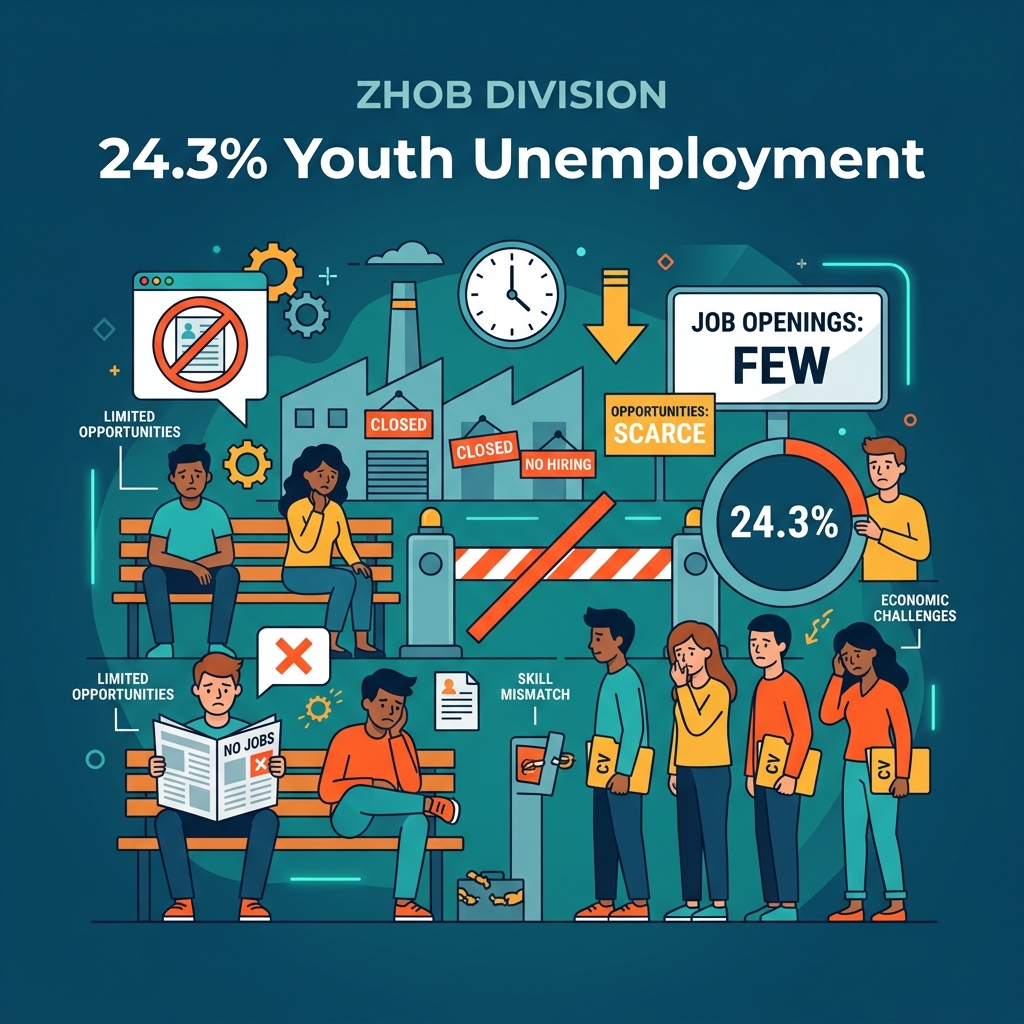
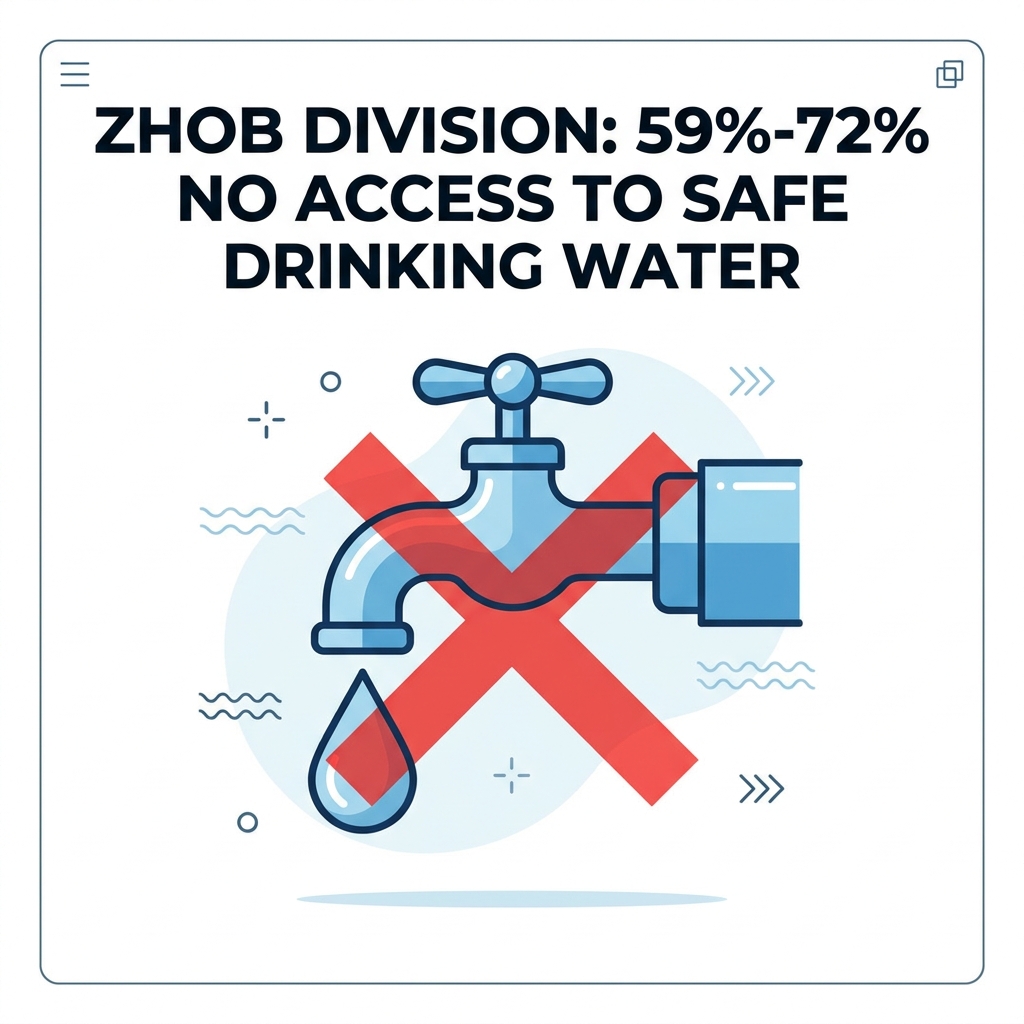
Zhob Division is grappling with a web of deep-rooted challenges from phantom healthcare facilities and critical staff shortages to severe drought, unsafe drinking water, and structural isolation, collectively eroding public welfare and economic survival.
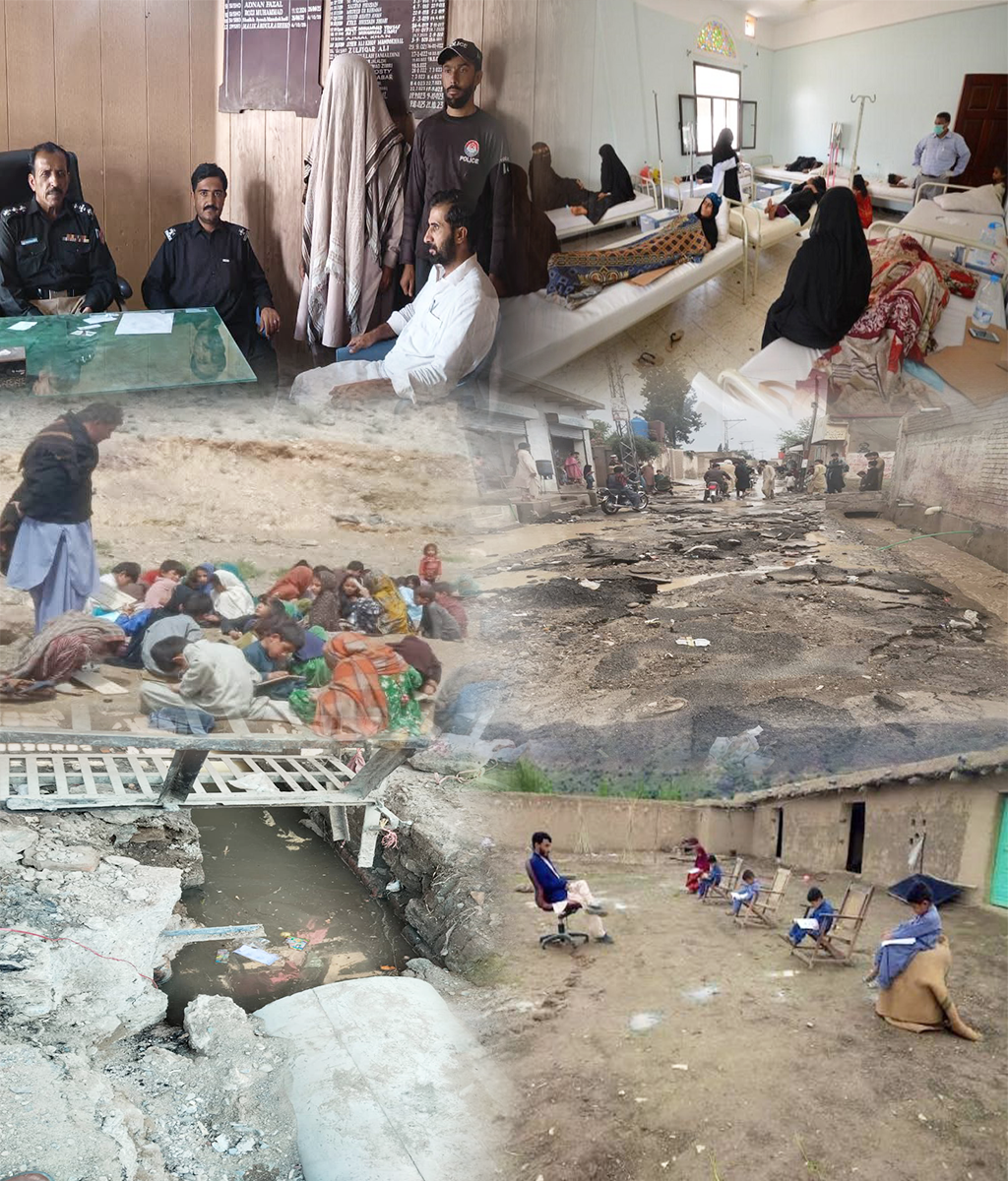
Zhob Division faces a far worse sewerage crisis than Quetta Division.
Sewerage Disposal Plants:
Zhob primary highway networks are severely dilapidated, and the critical across the Sulaiman Range has remained dangerous and heavily damaged for decades due to landslides and heavily overloaded cargo transport.
Zhob Division faces a much worse drinking water crisis than Quetta Division.
Inactive Filtration Plants:
Compared to Quetta, Zhob is facing a much deeper poverty challenge.
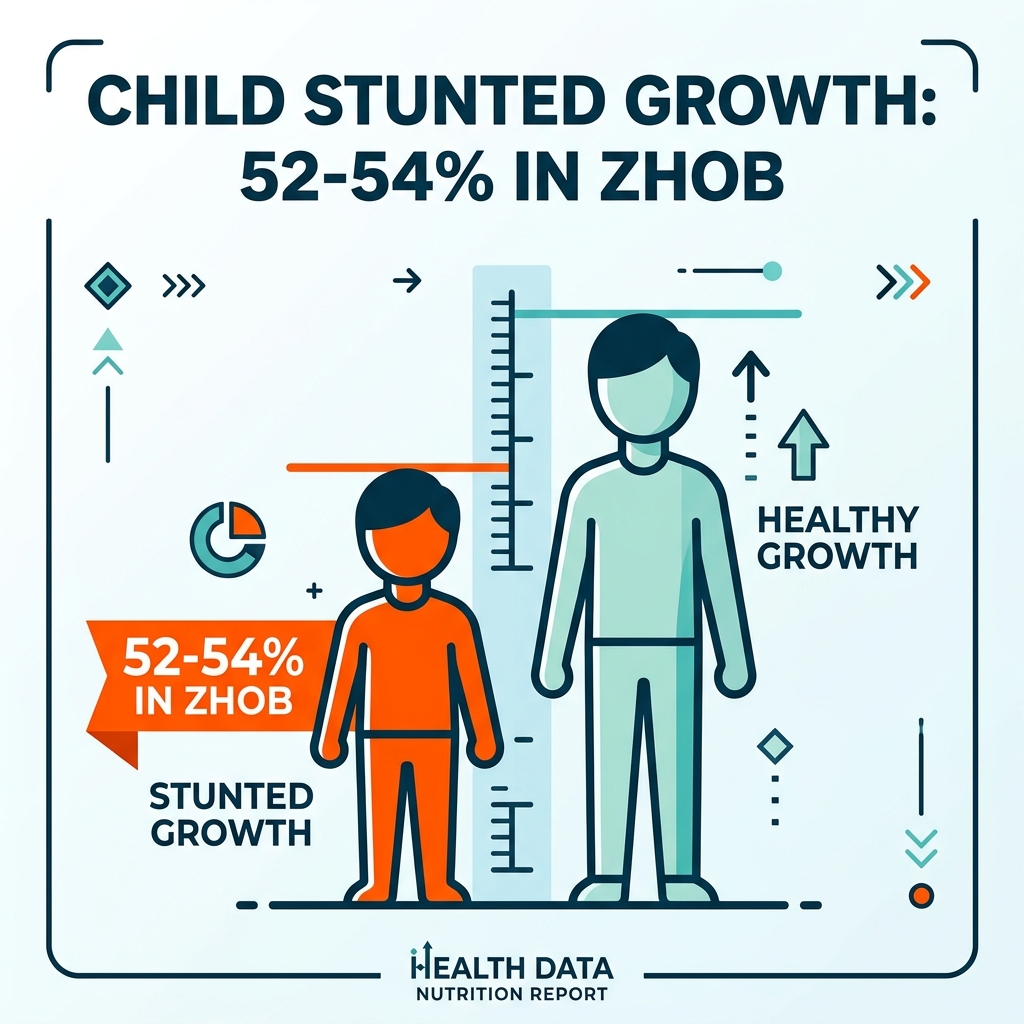
Child malnutrition, including stunting and wasting, is significantly worse in Zhob than in Quetta.
Stunted
Wasting
The availability of hospital beds is considerably lower in Zhob than in Quetta.
Quetta has a much stronger network of teaching and specialized hospitals than Zhob.
The child health situation in Zhob is far more alarming than in Quetta.
Infant Mortality (per 1,000 live births)
Child Mortality (Under-5, per 1,000 live births)
The health workforce is much weaker in Zhob than in Quetta.
Doctors, Nurses & Midwives per 1,000 Population
Zhob Division faces a far greater challenge of out-of-school children than Quetta Division.
Zhob Division faces a much deeper education gap in primary net enrolment than Quetta Division.
Limited physical access to functional educational facilities remains a serious concern in Zhob Division.
At the High Court, approximately 375 cases pertaining to the Zhob Division are pending, constituting 7.48% of the High Court’s total backlog.
In the lower courts of the Zhob Division, 1,114 criminal cases and 196 civil cases are currently pending.
Consequently, the total number of pending cases in the lower courts of the Zhob Division amounts to 1,310.
On average, approximately 1,000 to 1,300 crime cases are registered annually in the Zhob Division.