Total population
355,692
Zhob District serves as a vital geographic corridor centered around Zhob City, functioning as a hub for pine nut and fruit production in Pakistan. The area hosts regional higher-education institutions, including the University of Loralai (Zhob Campus) and Government Degree College Zhob, while serving as a frontier administrative center.
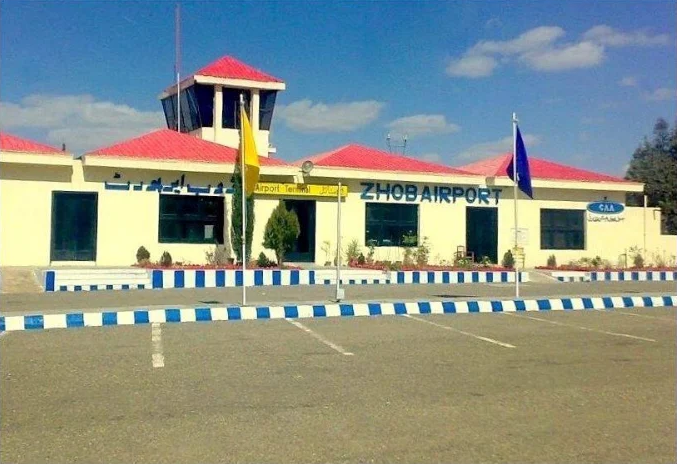
355,692
15,987 km²
4 tehsils · 28 union councils · 3 villages
| Indicator | Value |
|---|---|
| Total population | 355,692 |
| Tehsils | 4 |
| Union councils | 28 |
| Total area | 15,987 km² |
| Type | Count |
|---|---|
| Schools | 332 |
| Colleges | 2 |
| Facility type | Count |
|---|---|
| DHQ | 1 |
| THQ | 3 |
| RHC | 5 |
| BHU | 22 |
| Civil Dispensaries | 17 |
| Station | Count |
|---|---|
| Zhob City Circle | 1 |
| Levies Security Circle | 4 |
| Total | 5 |
| Member | Constituency | Name (Party) |
|---|---|---|
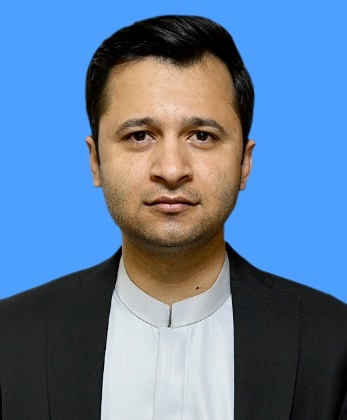 |
NA-251 Sherani-cum-Zhob-cum-Killa Saifullah | Mr. Khushal Khan Kakar (PKNAP) |
| Member | Constituency | Name (Party) |
|---|---|---|
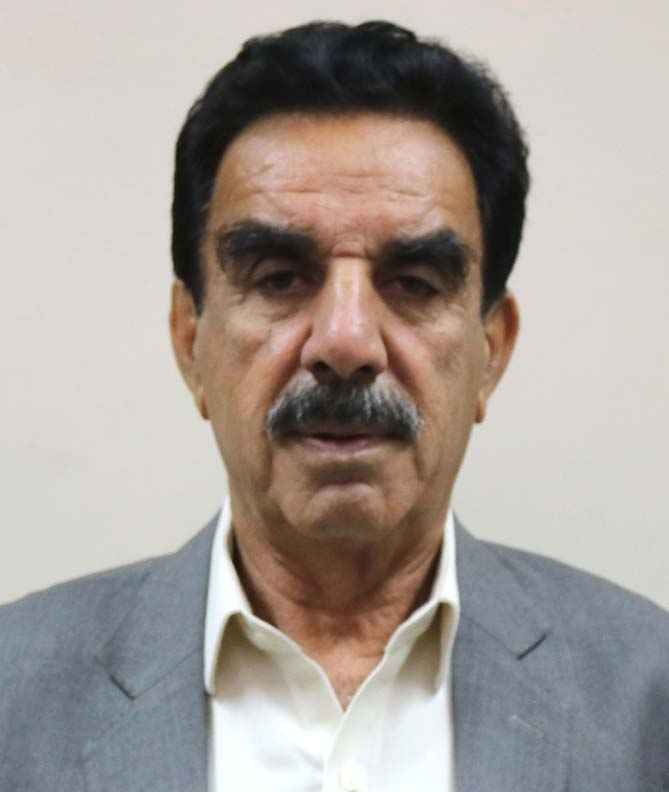 |
PB-1 | Dr. Muhammad Nawaz (Jamiat-e-Ulema Islam (F)) |
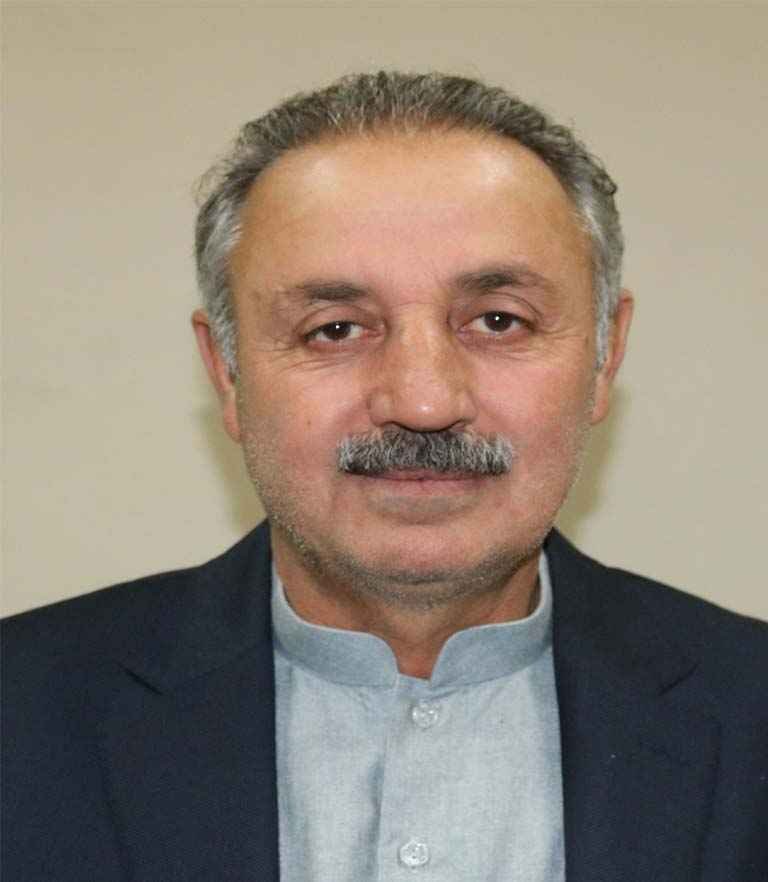 |
PB-2 | Mr. Fazal Qadir (Jamiat-e-Ulema Islam (F)) |
Zhob's N-50 highway and trade links suffer from delayed dualization, severely bottlenecking livestock and agricultural transport.
Recurrent droughts and over-extraction have dropped groundwater tables, causing acute scarcity for farming and domestic use.
The lone DHQ Hospital and rural clinics are overwhelmed, serving 355,692 residents amid severe staff and equipment shortages.
Youth unemployment is exceptionally high due to a total lack of industrial development and technical training centers.
The Zhob River basin faces rapid desertification driven by severe deforestation, illegal logging, and unchecked soil erosion.